The treaty also prohibits the placement of nuclear weapons or other weapons of mass destruction on the moon or in orbit around the Earth.
The Outer Space Treaty has been signed by over 100 countries, including the United States, Russia, and China. It is the most important international agreement governing space exploration and use.
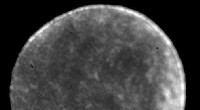
Some people have argued that the United States owns the moon because it was the first country to land humans on the moon in 1969. However, the Outer Space Treaty explicitly states that no country can claim sovereignty over any part of outer space, including the moon.
The United States government has also stated that it does not claim ownership of the moon. In a 1979 statement, the State Department said that the United States "does not assert or support any claim of sovereignty or sovereign rights over any part of outer space, including the moon or other celestial bodies."