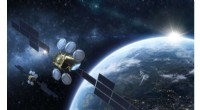
1. Early Warning Systems:
- Establish asteroid tracking programs and observatories to identify and monitor near-Earth objects (NEOs) that could potentially pose a threat to the planet.
2. Asteroid Characterization:
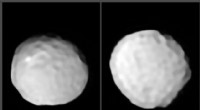
- Collect data and information about NEOs to understand their size, shape, composition, and trajectory, which helps in assessing the potential impact risk and mitigation strategies.
3. Deflection Techniques:
- Develop and test technologies for deflecting or altering the course of incoming asteroids:
- Kinetic impactors: High-speed spacecraft collide with the asteroid to alter its trajectory.
- Gravity tractors: Use the gravitational pull of a spacecraft to gradually deflect the asteroid's path.
- Solar sails: Employ reflective materials to harness the power of sunlight to slowly alter the asteroid's course.
4. Planetary Defense Missions:
- Conduct space missions to rendezvous with and study potentially hazardous asteroids, allowing scientists to assess their structure and weaknesses for future mitigation efforts.
5. International Cooperation:
- Collaborate with other nations, space agencies, and scientific institutions to share data, resources, and expertise in asteroid detection and mitigation strategies.
6. Public Awareness and Education:
- Raise awareness among the public and policymakers about the potential risks of asteroid impacts and the importance of proactive defense measures.
7. Research and Development:
- Invest in ongoing research and development to improve detection capabilities, advance deflection technologies, and enhance our understanding of asteroid behavior and impact dynamics.
8. Scenario Planning and Response:
- Develop contingency plans and emergency response mechanisms to address potential asteroid impacts, including evacuation protocols and disaster management strategies.
9. Near-Earth Object (NEO) Catalog:
- Build and maintain a comprehensive catalog of NEOs, tracking their orbits, properties, and potential impact probabilities.
10. Space-Based Early Warning Systems:
- Deploy telescopes or probes in space to provide additional observation capabilities and early warning time in case of potential impacts.
11. International Treaties:
- Support international agreements and treaties related to planetary defense and cooperation in the event of an asteroid threat.
Defending the Earth from asteroids is a complex and ongoing challenge that requires continued international cooperation, scientific research, and technological innovation to ensure the safety of our planet and its inhabitants.