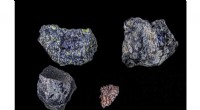
NASA's Mars rovers have been searching for signs of ancient life on the Red Planet for over a decade. One of the key targets of their search has been sedimentary rocks, which are formed when sediments—such as sand, mud, and organic matter—are deposited and compacted over time. Sedimentary rocks can provide a record of past environmental conditions, including the presence of water, and they can also contain fossils of ancient organisms.
To date, the Mars rovers have found evidence of a wide variety of sedimentary rocks on Mars, including sandstones, mudstones, and conglomerates. These rocks have revealed that Mars once had a much warmer and wetter climate than it does today, and that it may have been habitable for life in the past.
However, some scientists believe that NASA is not looking at the right sedimentary rocks for clues to Martian life. They argue that the rovers have been focusing on rocks that are too young and too altered to preserve evidence of ancient life. Instead, they say that NASA should be looking at older, more pristine sedimentary rocks that are more likely to contain fossils or other evidence of life.
There are a number of reasons why older, more pristine sedimentary rocks are more likely to contain evidence of ancient life. First, older rocks have had more time to accumulate organic matter and other biosignatures. Second, older rocks are less likely to have been altered by weathering and other geological processes that can destroy evidence of life. Third, older rocks are more likely to be found in locations that were once habitable for life, such as near ancient rivers or lakes.
NASA is aware of the arguments in favor of looking at older, more pristine sedimentary rocks for clues to Martian life, and the agency is currently planning a mission to do just that. The Mars Sample Return mission, which is scheduled to launch in 2020, will collect samples of sedimentary rocks from Mars and return them to Earth for analysis. These samples will provide scientists with a much better understanding of the geological history of Mars and the potential for ancient life on the Red Planet.
Conclusion
The debate over whether NASA is looking at the wrong rocks for clues to Martian life is likely to continue for many years to come. However, the evidence suggests that older, more pristine sedimentary rocks are more likely to contain evidence of ancient life, and NASA is planning a mission to collect samples of these rocks for analysis. The results of this mission could help us to finally answer the question of whether or not life has ever existed on Mars.