1. Climate and Atmospheric Dynamics: Studying planets with different atmospheric compositions, pressures, and temperatures provides insights into climate dynamics, greenhouse effects, and the potential for habitability. For instance, Venus's runaway greenhouse effect and Mars's thin atmosphere offer valuable lessons about the critical factors influencing climate stability.
2. Geologic Processes and Interiors: Comparing the surface features, tectonic activities, and internal structures of other planets reveals information about Earth's geologic evolution. Observing volcanism on Io, ice tectonics on Europa, or the complex topography of Mars aids in understanding the forces that shape planetary landscapes and interiors.
3. Planetary Formation and Evolution: By examining the diversity of planetary systems, including the presence or absence of moons, ring systems, and specific chemical compositions, scientists gain clues about the processes involved in planetary formation and evolution. This knowledge sheds light on Earth's early history and the conditions that led to its current state.
4. Potential for Life: The search for life beyond Earth includes analyzing the potential habitability of other planets. By studying planets with conditions that might support liquid water, organic molecules, and energy sources (such as Mars, Europa, or Enceladus), scientists can refine our understanding of the requirements for life and narrow down the search for extraterrestrial life.
5. Earth's Uniqueness and Rareness: Comparative planetology highlights Earth's unique features and the delicate balance that sustains life on our planet. By understanding the extreme environments and conditions on other planets, we gain a deeper appreciation for the complex interplay of factors that make Earth a hospitable abode for life.
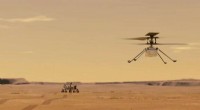
6. Natural Resources and Sustainability: Studying the resource availability and limitations on other planets prompts reflections on Earth's finite resources and the importance of sustainable practices. The exploration of Mars, for instance, requires careful planning to minimize the impact on the Martian environment, which parallels discussions on responsible resource management on Earth.
In essence, studying other planets provides a vantage point from which we can better comprehend Earth's intricacies, origins, and prospects, fostering a deeper appreciation for our home planet and inspiring us to explore and understand our place in the vast cosmic tapestry.