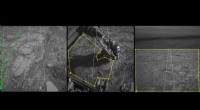
Images from the spacecraft show the solar sail fully deployed. The sail is made of a thin, reflective material that is 32 square meters in area. When sunlight strikes the sail, it exerts a force on the sail, which causes the spacecraft to accelerate. The spacecraft does not carry any fuel, so all of its energy comes from the sun.
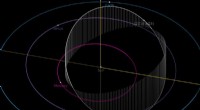
The deployment of the solar sail is a major milestone for the LightSail 2 mission. The spacecraft is now on its way to a heliocentric orbit, where it will spend the next few months conducting tests of its solar sail propulsion system. If the mission is successful, it will pave the way for future solar sail missions, including missions to Mars and beyond.
Solar sailing is a promising technology for future space missions. It is a low-cost and efficient way to propel spacecraft, and it does not require any fuel. This makes solar sailing ideal for long-duration missions, such as missions to the outer planets or to other stars.
The LightSail 2 mission is a major step forward in the development of solar sailing technology. The success of the mission will pave the way for future solar sail missions, and it will help to open up new possibilities for space exploration.