1.Formation of Medicanes
Medicane develop due to favorable conditions in the atmosphere over the Mediterranean Sea, including:
- Unstable Air Masses: The presence of warm and moist air masses over the sea provides the necessary fuel for the storm's development.
- Upper-Air Cold Front: A cold front at higher altitudes can create instability and provide a trigger mechanism for the formation of organized convection.
- Wind Shear: Vertical wind shear, a difference in wind direction and/or speed at different altitudes, helps in organizing the convective cells into a rotating system.
2. Characteristics of Medicanes
- Size: Medicanes are generally smaller in size compared to hurricanes, with diameters typically ranging from 30 to 150 kilometers (20 to 90 miles).
- Wind Speeds: Wind speeds in medicanes can reach over 100 kilometers per hour (60 mph), comparable to Category 1 hurricanes on the Saffir-Simpson Hurricane Scale.
- Rainfall: Medicanes often bring torrential rainfall, leading to flooding and landslides in affected areas. Rainfall amounts can exceed 200 millimeters (8 inches) in 24 hours.
- Duration: Medicanes usually last for a shorter period than hurricanes, typically ranging from a few hours to a few days.
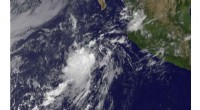
- Storm Structure: Medicanes resemble tropical cyclones in their structure, with a warm core, distinct cloud bands, and a rotating vortex.
3. Regions Affected by Medicanes
Medicane primarily occur in the Mediterranean Sea, with certain regions being more prone to their impact:
- Western Mediterranean: The western Mediterranean, including the area around Corsica, Italy, southern France, and the Balearic Islands, experiences a higher frequency of medicanes.
- Northern Mediterranean: The northern regions, particularly the Adriatic and Aegean Seas, are also susceptible to medicanes, though less frequently compared to the western Mediterranean.
- Eastern Mediterranean: The eastern Mediterranean, including areas around Cyprus and Greece, occasionally sees the formation of medicanes.
4. Risk and Impact of Medicanes
- Flash Floods: Heavy rainfall associated with medicanes can cause flash floods and waterlogging, leading to infrastructure damage and disruption of daily life.
- Landslides: Steep slopes and saturated soil due to heavy precipitation increase the risk of landslides, particularly in mountainous regions.
- Coastal Flooding: Storm surges and high waves can lead to coastal flooding, affecting coastal communities and infrastructure.
- Power Outages: Strong winds and heavy rain can bring down power lines, resulting in power outages that can last for several days.
- Disruption of Transportation: Medicanes can disrupt air travel, seaport operations, and road transport due to severe weather conditions and safety concerns.
5. Monitoring and Forecasting
- Challenges: Accurate forecasting of medicanes is challenging due to their rapid development and small scale, as well as the complex topography surrounding the Mediterranean Sea.
- Technological Advancements: Improvements in weather monitoring technologies, satellite observations, and numerical modeling have enhanced the ability to track and predict medicanes.
Predicting the exact path and intensity of medicanes remains an ongoing area of research, aiming to improve early warning systems and preparedness measures in the Mediterranean region.