The atmospheres of the TRAPPIST-1 planets were detected using a variety of methods, including transit photometry and spectroscopy. Transit photometry is a technique that measures the amount of light that is blocked by a planet as it passes in front of its host star. Spectroscopy is a technique that measures the wavelength of light that is emitted or absorbed by a planet's atmosphere.
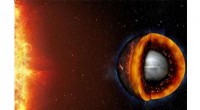
The atmospheres of the TRAPPIST-1 planets are important because they could potentially support life. The atmospheres of the TRAPPIST-1 planets are thought to be warm enough to allow liquid water to exist on the surface of the planets, and the planets are also thought to be located in the habitable zone of their host star, where conditions are just right for liquid water to exist. The atmospheres of the TRAPPIST-1 planets could also potentially contain other gases that are necessary for life, such as methane, carbon dioxide, and oxygen.
The atmospheres of the TRAPPIST-1 planets are still not well understood, and further research is needed to learn more about their composition and structure. However, the discovery of atmospheres on the TRAPPIST-1 planets is a major step forward in the search for life beyond Earth.