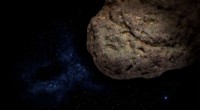
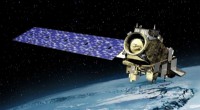
1. Sample Collection: The mission's primary objective was to collect samples from the asteroid's surface. JAXA's spacecraft, Hayabusa2, successfully touched down on Ryugu twice and retrieved samples using a sampling device. The collected samples are expected to provide valuable insights into the origin and evolution of the solar system.
2. Surface Exploration: Hayabusa2 conducted detailed observations and mapping of Ryugu's surface using multiple instruments on board, including cameras, spectrometers, and a thermal imager. These observations provided a comprehensive understanding of the asteroid's surface features, composition, and topography.
3. Asteroid Formation: One of the significant scientific findings from the mission is the presence of various types of rocks and minerals on Ryugu. These findings suggest that the asteroid may have formed through a complex process involving multiple parent bodies.
4. Organic Molecules: The mission also detected the presence of organic molecules on Ryugu's surface. Organic molecules are considered essential building blocks for life, and their discovery on Ryugu adds to the evidence that asteroids could have contributed to the origin of life on Earth.
5. Space Weathering: Hayabusa2 observed evidence of space weathering on Ryugu's surface. Space weathering refers to the process by which solar radiation and cosmic rays alter the surface materials of asteroids over time.
6. First Touchdown on an Asteroid: Hayabusa2 became the first spacecraft in history to successfully touch down on an asteroid and collect samples twice. This technological feat advanced humanity's capabilities in exploring and studying small celestial bodies.
7. Return to Earth: After a six-year journey through space, Hayabusa2 successfully returned to Earth in December 2020, carrying the precious samples from Ryugu. The samples will be analyzed by researchers around the world to unravel further secrets of the early solar system.
8. Scientific Publications and Collaborative Research: The scientific findings from the Hayabusa2 mission have been published in numerous peer-reviewed scientific journals. International collaborations and sample exchanges are facilitating extensive research on the Ryugu samples.
Overall, JAXA's Hayabusa2 mission made significant contributions to the field of planetary science, providing valuable information about the formation, composition, and history of asteroids and their role in the evolution of the solar system.