Satellites in Space
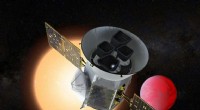
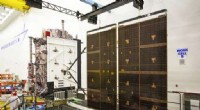
Satellites in space play a significant role in monitoring meteorites. They can detect and track these objects by capturing images of incoming space rocks against a background of stars. This allows scientist to estimate their size, trajectory and speed. Moreover, satellites equipped with specific sensors can detect heat emitted from meteorites upon entering Earth's atmosphere. By observing the thermal radiation these objects emit, satellites can provide data on their composition.
Radio detection and Rader
Radar systems also contribute to the tracking of meteorites. Radio telescopes can detect and analyze the signals emitted by meteorites as they move through the atmosphere. They utilize technology similar to that used for weather radar to detect objects traveling at incredibly fast speeds. Radar observations provide valuable information about a meteorite's size, shape, and trajectory, allowing scientists to calculate potential impact risks.
Drones For Close Encounters
Drone technology is becoming an innovative asset in tracking meteorites. Drones can be deployed in areas after a meteorite impact to monitor the immediate impact site and collect valuable data. Equipped with high-resolution cameras, thermal imaging sensors, and other instruments, drones can provide detailed information about the meteorite's characteristics and its effect on the surrounding environment. This data assists researchers in understanding the potential consequences of a meteorite strike.
Early Detection Is Key
The ability to accurately track and assess the risk of potential meteorite impact is crucial for the development of asteroid defense strategies. The deployment of satellites, radar systems, and drones enhances our capacity to monitor the near space environment and take necessary precautions to protect our planet from potentially devastating impacts.