Here is what we know about the meteor:
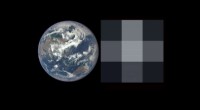
Size and Composition: The meteor was estimated to be about 2 meters (6.5 feet) in diameter and was composed primarily of rock. It is believed to be a fragment of a larger asteroid that broke apart millions of years ago.
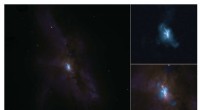
Trajectory and Impact: The meteor entered the Earth's atmosphere at a speed of approximately 72,000 kilometers per hour (45,000 miles per hour). It traveled through the atmosphere for several seconds, creating a bright fireball and a trail of debris. The meteor eventually disintegrated and did not reach the ground.
Energy: The energy released by the meteor was estimated to be 1,800 metric tons of TNT. This is equivalent to the energy released by a large earthquake or a nuclear weapon. The meteor's energy was released in the form of light, heat, and sound.
Sound and Light: The meteor produced a loud sonic boom that was heard by people across the North Island of New Zealand. The boom was caused by the shock wave generated by the meteor's passage through the atmosphere. The meteor also created a bright flash of light that could be seen from a distance of hundreds of kilometers.
Public Reaction: The meteor's appearance caused widespread excitement and awe among the public. Many people captured photos and videos of the event and shared them on social media. The meteor also generated considerable media coverage, including reports from around the world.
The meteor that lit up the sky above New Zealand on July 7, 2023, was a rare and powerful event that serves as a reminder of the constant bombardment that our planet faces from space debris. While most meteors are small and harmless, some larger ones have the potential to cause significant damage, making it important for scientists to continue to monitor and track these celestial objects.