Magnetoreception is the sense of detecting the Earth's magnetic field, and it's not unique to seabirds. Many animals, including insects, birds, and even some mammals, possess this sense. However, seabirds seem to have a particularly well-developed magnetoreception system.
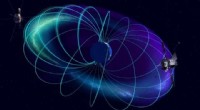
The Earth's magnetic field is generated by the movement of molten iron in the Earth's core. It creates a magnetic field that surrounds the entire planet, with the magnetic field lines running from the South Pole to the North Pole. Seabirds can detect these magnetic field lines and use them as a compass to determine their direction.
Research has shown that seabirds have specialized cells in their beaks and eyes that contain magnetic particles. These particles align with the Earth's magnetic field, allowing the birds to sense its direction and strength. By combining this information with other cues, such as the position of the sun and stars, seabirds can navigate with precision across vast distances.
This ability to "hear" the Earth's magnetic field is particularly crucial for seabirds that undertake long-distance migrations. Some species travel thousands of miles each year, flying between breeding grounds and feeding grounds. Without a reliable way to navigate, they would be unable to find their way back to their nesting sites.
While magnetoreception is a significant factor in seabird navigation, it is likely just one component of a complex sensory system that includes visual cues, olfaction, and even infrasound. Nonetheless, the ability to hear the Earth's magnetic field undoubtedly plays a vital role in the incredible navigational feats achieved by these remarkable creatures.