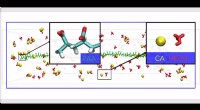
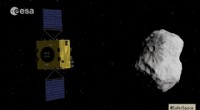
The team used a computer model to simulate the process of water regeneration on asteroids. The model showed that the amount of water regenerated depends on the size of the asteroids and the velocity of the impact. Larger asteroids and higher-velocity impacts produced more water.
The team also found that the water regenerated on asteroids could be a potential source of water for future human missions to Mars. Mars is known to have water ice on its surface, but it is not clear how much water is available and how easily it can be accessed. If astronauts can find a way to access the water regenerated on asteroids, it could provide a valuable resource for future missions.
The team's findings are published in the journal Nature Astronomy. The research was supported by the NASA Solar System Exploration Research Virtual Institute.