Conspiracy theories are often seen as the product of irrational thinking or paranoia. However, they can also emerge from perfectly rational attempts to make sense of complex and uncertain events.
Confirmation bias
One of the key drivers of conspiracy theories is confirmation bias—the tendency to seek out information that confirms our existing beliefs while ignoring or rejecting information that contradicts them. This can lead people to selectively interpret facts and evidence in a way that supports their preferred narrative, even when the evidence is weak or circumstantial.
Illusory pattern perception
Another factor that contributes to conspiracy theories is illusory pattern perception—the tendency to see patterns and connections where there are none. This can lead people to interpret random events as part of a larger, hidden plan or design, even when there is no evidence to support such a claim.
Need for certainty
Finally, conspiracy theories can also emerge from our desire for certainty in an uncertain world. When faced with complex and unpredictable events, we may be tempted to believe in simple and clear explanations, even if they are not based on evidence. This can lead us to accept conspiracy theories as a way of making sense of the world around us.
How conspiracy theories fall apart
While conspiracy theories can be powerful and seductive, they can also be surprisingly fragile. When subjected to critical scrutiny, they often fall apart due to inconsistencies, a lack of evidence, or the revelation of new information.
Inconsistent evidence:
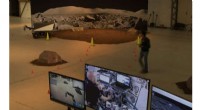
One of the most common ways that conspiracy theories are debunked is through the presentation of inconsistent evidence. For example, the claim that the moon landing was faked relies on several lines of evidence, such as the lack of stars in the background of the Apollo 11 photographs and the supposedly unconvincing performance of the astronauts in the lunar module. However, each of these claims has been debunked with scientific evidence, showing that the moon landing did indeed take place.
Lack of evidence:
Another common reason for conspiracy theories falling apart is a lack of evidence. For example, the claim that aliens are building bases on the moon has no credible evidence to support it. There have been no sightings of aliens or alien spacecraft on the moon, and no physical evidence of their presence has ever been found.
New information:
Finally, conspiracy theories can also be debunked by the release of new information. For example, the claim that President Obama was not born in the United States was initially supported by several pieces of evidence, such as a fake birth certificate and the claim that his birth records were sealed. However, subsequent investigations have revealed that these claims were false and that Obama was in fact born in the United States.
Conclusion
Conspiracy theories can be a powerful force, but they are not immune to critical scrutiny. When subjected to rational analysis, they often fall apart due to inconsistencies, a lack of evidence, or the revelation of new information. This is not to say that all conspiracy theories are false, but it does suggest that we should be skeptical of claims that are not supported by evidence.