One of the most common causes of spacecraft death is loss of power. This can occur for a variety of reasons, such as a failure of the solar panels, a malfunction of the fuel system, or a collision with debris. Without power, the spacecraft will no longer be able to communicate with Earth, maneuver itself, or keep its temperature regulated. Eventually, it will drift away from its intended orbit and eventually be destroyed by the forces of space.
2. Collision with Debris
Space is littered with debris, from tiny pieces of paint to large pieces of spent rocket boosters. A collision with any of this debris can damage or destroy a spacecraft. Collisions are more likely to occur in low Earth orbit (LEO), where there is a higher concentration of debris.
3. Failure of Critical Systems
Spacecraft are complex machines with many different systems that must work together in order to function properly. If any of these systems fails, it can lead to the death of the spacecraft. For example, a failure of the attitude control system could cause the spacecraft to lose control of its orientation and spin out of control. A failure of the thermal control system could cause the spacecraft to overheat or freeze.
4. Launch Failure
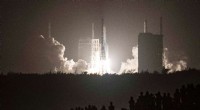
Spacecraft launches are fraught with danger. A single mistake can lead to the destruction of the spacecraft. Common causes of launch failures include engine failures, fuel leaks, and explosions.
5. Reentry Failure
When a spacecraft reenters Earth's atmosphere, it experiences intense heat and pressure. If the heat shield is not designed properly, it can fail, causing the spacecraft to burn up in the atmosphere.
6. Human Error
Human error is a major factor in spacecraft accidents. Mistakes can be made during the design, construction, testing, or operation of a spacecraft. Any of these mistakes can lead to the death of the spacecraft.
7. Acts of God
Spacecraft are also vulnerable to acts of God, such as solar flares, geomagnetic storms, and asteroid impacts. These events can disrupt or damage spacecraft systems, leading to their destruction.