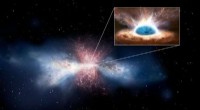
NASA's Solar Dynamics Observatory (SDO) captured stunning images of the CME as it left the Sun. The images showed the CME as a giant cloud of plasma that was several times larger than the Earth. The CME traveled at speeds of up to 2,000 kilometers per second and took about 18 hours to reach Earth.
When the CME hit Earth's magnetic field, it caused a geomagnetic storm. Geomagnetic storms are disturbances in Earth's magnetic field that can disrupt power grids, communications, and GPS systems. The geomagnetic storm from the September 2017 CME was the strongest in over a decade and caused widespread disruptions in the United States, Europe, and Asia.
NASA scientists used a variety of tools to track the CME from the Sun to Earth. These tools included the SDO, the Solar and Heliospheric Observatory (SOHO), and the Deep Space Climate Observatory (DSCOVR). These spacecraft are all located in space and are constantly monitoring the Sun.
NASA scientists also used computer models to predict how the CME would interact with Earth's magnetic field. These models helped scientists to warn of the potential impacts of the storm and to mitigate its effects.
The September 2017 CME was a powerful reminder of the Sun's ability to affect our planet. NASA scientists are constantly monitoring the Sun and working to understand how space weather can impact Earth. This work is important for protecting our planet and our way of life.
Here are some of the specific tools and techniques that NASA scientists used to track the CME:
* Solar Dynamics Observatory (SDO): SDO is a spacecraft that is located about 1.5 million kilometers from Earth. SDO is equipped with a variety of instruments that allow scientists to study the Sun's atmosphere, including the corona. The images from SDO helped scientists to visualize the CME as it left the Sun.
* Solar and Heliospheric Observatory (SOHO): SOHO is a joint mission between NASA and the European Space Agency (ESA). SOHO is located about 1.5 million kilometers from Earth and is also equipped with a variety of instruments that allow scientists to study the Sun. The images from SOHO helped scientists to track the CME as it traveled toward Earth.
* Deep Space Climate Observatory (DSCOVR): DSCOVR is a spacecraft that is located about 1.5 million kilometers from Earth. DSCOVR is equipped with a variety of instruments that allow scientists to study the Sun's energy output and its effects on Earth's climate. The data from DSCOVR helped scientists to understand how the CME affected Earth's magnetic field.
* Computer models: NASA scientists used computer models to predict how the CME would interact with Earth's magnetic field. These models helped scientists to warn of the potential impacts of the storm and to mitigate its effects.
By using these tools and techniques, NASA scientists were able to track the September 2017 CME from the Sun to Earth and to mitigate its effects. This work is important for protecting our planet and our way of life from the Sun's powerful energy.