Introduction:
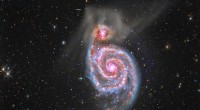
Galaxies, the vast and awe-inspiring cosmic structures that dot the night sky, hold within them the mysteries of their own evolution. Understanding how galaxies grow and evolve is crucial to unlocking the secrets of the universe. By zooming in on the night sky and capturing cosmic explosions, astronomers are gaining valuable insights into the intricate processes that drive galactic growth.
Capturing Cosmic Explosions:
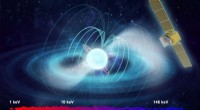
Cosmic explosions, such as supernovas and gamma-ray bursts, serve as cosmic laboratories for studying galactic dynamics and evolution. These energetic events release tremendous amounts of energy and material, triggering a cascade of changes within their host galaxies. By capturing and analyzing these celestial fireworks, astronomers can gather crucial data on the formation of new stars, the recycling of matter, and the overall growth of galaxies.
Observational Techniques:
To effectively capture and study cosmic explosions, astronomers employ a wide range of observational techniques. Some of these methods include:
1. Optical Telescopes: Optical telescopes capture visible light from cosmic explosions, providing detailed images of their aftermath and surrounding environments.
2. Radio Telescopes: Radio telescopes detect the radio waves emitted by cosmic explosions, allowing astronomers to probe the hidden structures and dynamics within these cataclysmic events.
3. Ultraviolet and Infrared Telescopes: Ultraviolet and infrared telescopes reveal the hot and dusty regions associated with cosmic explosions, shedding light on the processes of star formation and matter ejection.
4. Space-Based Observatories: Space-based observatories like the Hubble Space Telescope and the James Webb Space Telescope provide unparalleled views of cosmic explosions, enabling astronomers to study these events in unprecedented detail.
Data Analysis and Modeling:
Once cosmic explosions are captured, astronomers employ sophisticated data analysis techniques and modeling to extract valuable information. This involves:
1. Spectroscopic Analysis: Breaking down the light from cosmic explosions into its component wavelengths reveals their chemical composition, temperature, and motion.
2. Numerical Simulations: Computer simulations are used to model the physical processes occurring during cosmic explosions, helping astronomers gain a deeper understanding of their evolution.
3. Comparison with Theoretical Models: Observational data is compared to theoretical models of galaxy evolution to validate and refine our understanding of the underlying mechanisms.
By meticulously analyzing cosmic explosions and combining observational data with theoretical models, astronomers are unraveling the intricate processes that drive galactic growth. These cosmic events provide snapshots of the dynamic and transformative phases in the lives of galaxies, ultimately leading to a comprehensive understanding of how our universe has come to be.
Conclusion:
Zooming in on the night sky and capturing cosmic explosions is a testament to the ingenuity and perseverance of astronomers in their quest to unravel the mysteries of galactic growth. Through these endeavors, we gain profound insights into the birth, evolution, and ultimate fate of galaxies, shedding light on our place within the vast and ever-expanding cosmos.