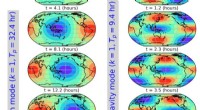
Before devising protection strategies, it's crucial to understand the nature of space radiation. It consists of various types of particles, including:
- Galactic Cosmic Rays (GCRs): High-energy particles from outside our solar system, including atomic nuclei and protons.
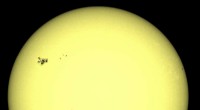
- Solar Particle Events (SPEs): Bursts of energetic particles from the Sun, mainly during solar flares and coronal mass ejections.
- Trapped Radiation Belts: Regions around Earth containing high-energy protons and electrons trapped in Earth's magnetic field.
Radiation Effects on Astronauts
Exposure to space radiation can have several harmful effects on astronauts' health:
- Cancer: High-energy particles can damage DNA, increasing cancer risk.
- Central Nervous System (CNS) Damage: Radiation can cause cognitive impairments and neurodegenerative diseases.
- Ocular Effects: Radiation can lead to cataracts and other eye problems.
- Cardiovascular Disease: Radiation can increase the risk of cardiovascular diseases.
Shielding Strategies
One of the primary methods for protecting astronauts is through shielding. Several strategies can be employed:
- Passive Shielding: Using materials to block radiation, such as water, polyethylene, aluminum, or metal alloys, to create a protective barrier around astronauts.
- Active Shielding: Employing magnetic fields or electric fields to deflect or reduce radiation.
- Storm Shelters: During intense radiation events like SPEs, astronauts can take shelter in heavily shielded areas of the spacecraft.
Operational Measures
In addition to shielding, operational measures can help mitigate radiation exposure:
- Mission Planning: Choosing optimal flight paths and mission durations to minimize radiation exposure.
- Radiation Monitoring: Using instruments to continuously monitor radiation levels and warn astronauts of high-radiation events.
- Rotation and Crew Size: Shorter mission durations and rotating crew members can reduce cumulative exposure.
Medical Countermeasures
Some potential medical interventions are being explored to enhance astronauts' resilience to radiation:
- Radioprotectors: Drugs that can help protect cells from radiation damage.
- Antioxidants: Substances that can neutralize harmful free radicals produced by radiation.
- Stem Cell Therapy: Repairing radiation-damaged tissues.
Conclusion
Protecting astronauts from space radiation requires a multi-pronged approach involving shielding, operational measures, and medical countermeasures. By continuing to advance our understanding of radiation effects and developing innovative technologies and strategies, we can safeguard astronauts during future missions, enabling safe and sustainable space exploration.