According to Dr. Spann, the first step would be to determine the size and trajectory of the asteroid. This information would be used to calculate the potential impact zone and the amount of damage that could be caused. If the asteroid was large enough, it could cause widespread destruction, including tsunamis, earthquakes, and wildfires.
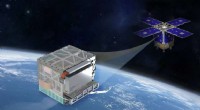
Once the threat has been assessed, scientists would begin to develop plans to divert or destroy the asteroid. One option would be to use a kinetic impactor - a spacecraft that would collide with the asteroid and deflect it from its course. Another option would be to use a gravity tractor - a spacecraft that would orbit the asteroid and use its gravity to pull it off course.
Dr. Spann says that the best way to protect Earth from asteroids is to find them early and deflect them before they pose a threat. NASA is currently conducting a survey of the near-Earth asteroid population, and the agency is developing new technologies to divert or destroy asteroids if necessary.
Here is a summary of the steps that NASA would take in the event of an asteroid threat:
Determine the size and trajectory of the asteroid.
Calculate the potential impact zone and the amount of damage that could be caused.
Develop plans to divert or destroy the asteroid.
Use a kinetic impactor or a gravity tractor to deflect the asteroid.
Continue to monitor the asteroid and adjust plans as needed.