1. The Search for Earth-Like Planets:
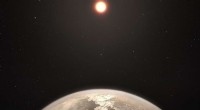
Science fiction has long imagined worlds similar to Earth, where humans could potentially inhabit. The discovery of exoplanets orbiting within habitable zones of their stars has brought this concept closer to reality. NASA's Kepler mission, launched in 2009, has been instrumental in identifying thousands of exoplanets, including candidates with Earth-like characteristics.
2. Diverse Planetary Systems:
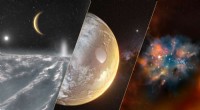
Science fiction often portrays exotic planetary systems with unusual features. Exoplanet research has revealed the astounding diversity of planetary systems. Planets with multiple suns, gas giants orbiting close to their stars, and super-Earths - rocky planets significantly larger than Earth - are just a few examples of the remarkable systems astronomers have discovered.
3. Exploration and Characterization:
Science fiction has envisioned advanced spacecraft capable of traversing interstellar distances and analyzing distant worlds. While interstellar travel remains a distant goal, space agencies are investing in developing space telescopes and instruments that can study exoplanets in unprecedented detail. Techniques like transit spectroscopy and direct imaging are helping astronomers determine atmospheric compositions and surface features of exoplanets.
4. Potential for Habitation:
The possibility of extraterrestrial life has been a central theme in science fiction, and exoplanet research has contributed to the understanding of potential habitable environments beyond our solar system. Analyzing exoplanet atmospheres can reveal the presence of elements associated with life, such as oxygen and water vapor.
5. Influence on Science Fiction:
Exoplanet discoveries and advances in astronomy have influenced the narratives of modern science fiction. Science fiction writers are incorporating the latest scientific knowledge and theories into their creations, weaving elements of exoplanets and space phenomena into their stories. This has led to a symbiosis between science and fiction, where each field inspires and informs the other.
6. Impact on Scientific Literacy:
Exoplanet research has captured public fascination, leading to increased scientific literacy and interest in astronomy. The discovery of potentially habitable exoplanets and the prospects of finding extraterrestrial life have resonated with people worldwide, igniting curiosity and promoting scientific exploration.
In conclusion, exoplanet research has translated the realm of science fiction into tangible scientific endeavors. The exploration of exoplanets has expanded our understanding of the universe, pushing the boundaries of scientific discovery and inspiring new possibilities for human exploration. As technology continues to advance, the line between science fiction and reality grows thinner, inviting us to imagine and pursue even more ambitious frontiers of cosmic exploration.