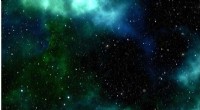
1. Intergalactic Material: Molecular clouds are vast interstellar structures composed primarily of molecular hydrogen (H2) and other gases and dust particles. They serve as the birthplaces of new stars and planetary systems, containing rich chemical diversity and organic compounds essential for life.
2. High-Energy Environments: Molecular clouds can be high-energy environments, where intense radiation from nearby massive stars and cosmic rays can trigger complex chemical reactions and energy transformations. Such environments could provide conditions for the synthesis of prebiotic molecules and building blocks of life.
3. Protostar and Planet Formation: The cores of molecular clouds collapse under gravity to form protostars, which eventually evolve into stars and planetary systems. During these early stages, the protoplanetary disks that form around young stars contain abundant raw materials necessary for planetary formation, including ices, water, and organic compounds.
4. Interstellar Habitable Zones: Some molecular clouds may possess regions with suitable temperatures and environmental conditions that fall within the habitable zone around their host stars. In these regions, conditions might be conducive for the formation and sustenance of liquid water, a key requirement for most forms of life on Earth.
5. Ice Grain Chemistry: Dust grains within molecular clouds can act as catalysts for chemical reactions, particularly on the icy surfaces of grains covered by water ice. This ice-grain chemistry can lead to the formation of complex organic molecules, including those important for prebiotic chemistry and the origin of life.
However, it's essential to emphasize that the idea of life existing in molecular clouds remains highly speculative and lacks direct evidence. Many challenges and limitations exist in studying and observing potential life in such extreme environments, and further research and technological advancements are necessary to unravel the full complexity and diversity of life in the universe.