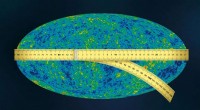
The map was created using data collected by the Lunar Reconnaissance Orbiter (LRO), which has been orbiting the Moon since 2009. The LRO's Lunar Orbiter Laser Altimeter (LOLA) instrument measures the topography of the lunar surface, while the Diviner Lunar Radiometer Experiment (Diviner) measures the temperature of the surface. By combining these data sets, scientists can determine the composition of the surface material.
The map reveals that the Moon is primarily composed of oxygen, silicon, magnesium, iron, calcium, and aluminum. These elements are found in various minerals, including silicates, oxides, and metals. The relative abundance of these elements varies across the lunar surface, reflecting the different geological processes that have occurred in different regions.
For example, the lunar highlands, which are the oldest parts of the Moon, are enriched in anorthosite, a rock composed primarily of plagioclase feldspar. The lunar maria, which are the large dark plains on the Moon, are composed of basaltic lava, which is rich in iron and magnesium.
The map also shows that the Moon's surface is covered with a layer of regolith, which is a mixture of dust and broken rocks. The regolith is constantly bombarded by micrometeoroids and solar radiation, which break down the surface material into smaller particles. This process, known as space weathering, darkens the surface of the Moon and gives it a uniform appearance.
The composition of the Moon provides valuable information about its origin and evolution. Scientists believe that the Moon formed about 4.5 billion years ago when a Mars-sized body, known as Theia, collided with Earth. The impact ejected a large amount of material into orbit, which eventually coalesced into the Moon.
The composition of the lunar samples returned by Apollo and Luna missions, as well as the data from LRO and other lunar missions, support this theory. The Moon is thought to be composed of material from both Earth and Theia, with the bulk of its mass coming from Theia.
The Moon's composition has also played a role in its geological evolution. The heat generated by the decay of radioactive elements in the Moon's interior caused the partial melting of the lunar mantle, leading to the formation of the lunar maria. The volcanic activity associated with the maria formation released gases that contributed to the formation of the Moon's thin atmosphere.
In summary, the composition of the Moon is a complex interplay of elements and minerals that has shaped its geological evolution and provided insights into its formation and history. The kaleidoscopic map created using data from the LRO mission offers a comprehensive view of the Moon's composition, helping scientists unravel the mysteries of our celestial neighbor.