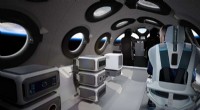
The NASA Space Food Research Lab plays a crucial role in ensuring the nutritional needs and safety of astronauts during space missions. Located at NASA's Johnson Space Center in Houston, Texas, the lab is dedicated to developing, testing, and producing nutritious and shelf-stable food for astronauts living in the challenging environment of space.
Food Production:
1. Requirement Gathering: The lab starts by determining the nutritional and energy requirements of astronauts based on their mission duration, metabolic needs, and specific dietary preferences.
2. Food Formulation: Based on these requirements, scientists at the lab create specialized recipes and formulations for various types of food items, including entrees, snacks, and beverages.
3. Processing: The lab uses advanced food processing techniques like freeze-drying, dehydration, and irradiation to remove moisture and eliminate potential microorganisms, ensuring the food remains safe and shelf-stable.
4. Packaging: Food items are carefully packaged in airtight, lightweight, and easy-to-open containers to minimize waste and maintain quality in the space environment.
Food Testing:
1. Nutritional Analysis: Every food item undergoes rigorous nutritional analysis to determine its calorie content, macronutrient composition, vitamin, and mineral content.
2. Sensory Evaluation: Astronauts and food experts conduct sensory evaluations to assess the palatability, taste, texture, and overall acceptability of the food.
3. Microbiological Testing: Food items are subjected to extensive microbiological testing to ensure complete sterilization and the absence of harmful bacteria.
4. Shelf-Life Studies: The lab conducts accelerated shelf-life studies to simulate the effects of long-term storage in space and determine the product's stability and acceptability over time.
Food Production and Distribution:
1. Small Batches: Due to the limited storage space on spacecraft, food is produced in small batches to maintain freshness and minimize waste.
2. Regular Replenishment: The lab works with food suppliers and the International Space Station (ISS) to regularly replenish the food supply on the orbiting laboratory.
3. Special Considerations: The lab also develops custom-made food items to accommodate specific dietary needs or cultural preferences of astronauts.
4. Safety and Quality Assurance: The NASA Food Safety and Microbiology Lab continuously monitors and reviews the food production process to maintain the highest standards of safety and quality.
The NASA Space Food Research Lab plays a critical role in supporting astronaut health and maintaining mission success by providing safe, nutritious, and palatable food that can withstand the extreme conditions of space travel.