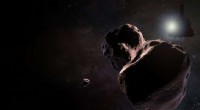
Asteroids orbit the Sun in a variety of ways. Some asteroids have orbits that are similar to those of planets, while others have orbits that are more elliptical. Some asteroids even have orbits that are inclined to the ecliptic, which is the plane in which the planets orbit the Sun.
Asteroids can be found in a number of different places in the solar system. The main asteroid belt is located between the orbits of Mars and Jupiter. There are also asteroids that orbit in the Trojan points, which are two points located 60 degrees ahead of and behind Jupiter in its orbit.
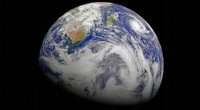
Asteroids can be a hazard to Earth. If an asteroid were to impact Earth, it could cause widespread damage. The impact of an asteroid about 66 million years ago is thought to have caused the extinction of the dinosaurs.
Asteroids are also a resource. They are thought to contain a variety of valuable metals, including iron, nickel, and gold. Some asteroids are also thought to contain water ice.
Asteroids are an important part of the solar system. They are a reminder of the early days of the solar system's formation, and they could also be a valuable resource for the future.
Here is a more detailed look at how asteroids work:
* Composition: Asteroids are made of metal and rock. The composition of an asteroid can vary depending on its location in the solar system. Asteroids in the main asteroid belt are typically made of a mixture of silicate rock and metal. Asteroids in the Trojan points are typically made of a mixture of ice and rock.
* Orbit: Asteroids orbit the Sun in a variety of ways. Some asteroids have orbits that are similar to those of planets, while others have orbits that are more elliptical. Some asteroids even have orbits that are inclined to the ecliptic.
* Size: Asteroids range in size from a few feet to hundreds of miles across. The largest asteroid, Ceres, is about 950 miles across.
* Surface: The surface of an asteroid can vary depending on its composition and history. Some asteroids have a smooth surface, while others have a rough surface. Some asteroids are also covered in craters.
* Atmosphere: Most asteroids do not have an atmosphere. However, some asteroids have a thin atmosphere of gas.
* Moons: Some asteroids have moons. The largest asteroid moon, Dactyl, is about 1.2 miles across.
* Hazards: Asteroids can be a hazard to Earth. If an asteroid were to impact Earth, it could cause widespread damage. The impact of an asteroid about 66 million years ago is thought to have caused the extinction of the dinosaurs.
* Resources: Asteroids are also a resource. They are thought to contain a variety of valuable metals, including iron, nickel, and gold. Some asteroids are also thought to contain water ice.