A bomb cyclone is a rapidly intensifying low-pressure weather system that forms over the ocean. It is characterized by a drop of the central atmospheric pressure by at least 24 millibars (0.71 inches of mercury) within a 24-hour period.
Additional information:
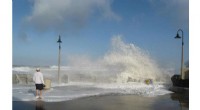
Bomb cyclones often occur in the North Atlantic and North Pacific Oceans. They can produce high waves, flooding, and strong winds, and can be a significant threat to coastal areas. Some of the most notable bomb cyclones in history include Hurricane Sandy (2012), the Great Blizzard of 1978, and the North Sea Flood of 1953.