The formation of a dust storm requires a number of factors, including:
* Strong winds: The winds must be strong enough to pick up and transport sand and dust particles.
* Loose soil: The soil must be dry and loose, with few plants or other vegetation to hold it in place.
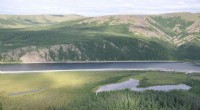
* A source of dust: There must be a source of dust, such as a desert or a dry riverbed.
When these conditions are met, the wind can pick up sand and dust particles and carry them through the air. The particles can be transported for hundreds or even thousands of kilometers before they eventually settle back to the ground.
Dust storms can have a number of negative impacts, including:
* Reduced visibility: Dust storms can reduce visibility, making it difficult or even dangerous to drive or walk.
* Health problems: The dust particles can irritate the eyes, nose, and throat, and they can also carry harmful pollutants.
* Crop damage: Dust storms can damage crops, especially if they are covered in a thick layer of dust.
* Property damage: Dust storms can damage buildings and other structures, especially if they are made of weak materials.
Dust storms are a natural phenomenon, but there are a number of things that can be done to reduce their frequency and severity. These include:
* Planting trees and other vegetation: Trees and other vegetation can help to hold the soil in place, making it less likely to be picked up by the wind.
* Using conservation tillage practices: Conservation tillage practices leave more plant residue on the ground, which can help to hold the soil in place.
* Irrigating crops: Irrigation can help to keep the soil moist and less likely to be picked up by the wind.
* Controlling grazing: Overgrazing can damage vegetation and leave the soil more vulnerable to erosion.
By taking these steps, we can help to reduce the frequency and severity of dust storms and protect human health and the environment.