1. Kinetic Impactors:
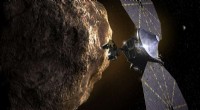
- Method: Use a spacecraft to crash into the asteroid at high speed, transferring momentum to alter its trajectory.
- Pros: Direct and relatively simple approach. It has been successfully demonstrated in NASA's Double Asteroid Redirection Test (DART) mission.
- Cons: Precise aiming is crucial, and multiple impacts may be needed for larger asteroids.
2. Gravity Tractor:
- Method: Position a massive spacecraft near the asteroid and use its gravitational pull to nudge the asteroid's trajectory over time.
- Pros: Gentler approach, doesn't require a direct collision.
- Cons: Requires long-term operation and careful monitoring.
3. Nuclear Deflection:
- Method: Use a nuclear device detonated near the asteroid's surface to generate an impulse and alter its trajectory.
- Pros: Potentially effective for larger asteroids.
- Cons: Raises concerns about radioactive contamination, technical complexity, and international security considerations.
4. Laser Ablation or Pulsed Energy:
- Method: Use a powerful laser or other directed energy beams to vaporize material from the asteroid's surface, creating a gentle but continuous thrust that alters its path over time.
- Pros: No physical impact, can be used from a distance.
- Cons: Requires advanced energy systems and sustained laser power.
5. Ion Beam Deflection:
- Method: Use a high-energy ion beam to impart momentum to the asteroid's surface and change its trajectory.
- Pros: Potentially efficient and doesn't involve physical impact.
- Cons: Complex and energy-intensive technology, requires advanced power systems.
6. Planetary Defense Mission Planning:
- Developing early warning systems, asteroid tracking and monitoring capabilities, and international coordination plans is crucial for early detection and mitigation of potential asteroid threats.
It's important to note that the feasibility and success of any asteroid deflection method depend on various factors such as the size, composition, and trajectory of the asteroid, the available time and resources, and the development and demonstration of advanced technologies. In the event of a credible asteroid threat, a combination of strategies may be considered, and decisions would be made based on scientific assessments, technological readiness, and international collaboration.