* Orbiters: Satellites that orbit Mars can provide information about the planet's atmosphere, including temperature, pressure, and wind speed.
* Landers: Landers that have been placed on the surface of Mars can provide even more detailed information about the weather, including the presence of dust and ice crystals.
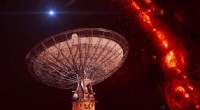
* Telescopes: Telescopes on Earth can be used to observe the weather on Mars, although this method is limited by the distance between the two planets.
By combining data from these different sources, scientists have been able to build up a detailed picture of the weather on Mars. The Martian atmosphere is very thin, with a surface pressure of only about 6 millibars (0.087 psi). The temperature on Mars can vary greatly depending on the time of day and the season, with summer temperatures at the equator reaching up to 20 °C (68 °F) and winter temperatures at the poles dropping down to -153 °C (-243 °F). The Martian atmosphere is also very dusty, with dust storms that can last for days or even weeks.
The weather on Mars is important because it affects the planet's environment and habitability. The thin atmosphere and low surface pressure make Mars very susceptible to heat loss, which can make it difficult for liquid water to exist on the surface. The dust storms can also block out sunlight, which can further reduce the amount of heat that reaches the surface.
Despite the challenges, scientists believe that it is possible for humans to live on Mars. By understanding the weather on Mars, we can better design habitats and vehicles that can protect astronauts from the harsh environment.