1. Scientific Instruments:
a) Scanning Habitable Environments with Raman and Luminescence for Organics and Chemicals (SHERLOC): SHERLOC is a sophisticated instrument that uses ultraviolet light to identify organic molecules and minerals on the Martian surface. It can also provide high-resolution images at microscopic levels.
b) Planetary Instrument for X-ray Lithochemistry (PIXL): PIXL can determine the chemical composition of rocks by firing an X-ray beam at targeted areas. This will provide insights into the geological processes and past environments of Mars.
c) Mars Oxygen In-Situ Resource Utilization Experiment (MOXIE): MOXIE's purpose is to produce oxygen from carbon dioxide in the Martian atmosphere. This technology is crucial for future crewed missions to Mars, as it could potentially generate oxygen for life support systems.
2. Cameras:
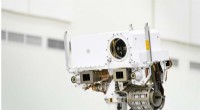
a) Mastcam-Z: This powerful camera system consists of two cameras that capture high-resolution images in various wavelengths, allowing scientists to study geological formations and potential Martian fossils in great detail.
b) SuperCam: SuperCam combines several instruments into one package, including a camera, laser, and spectrometer. It can study rocks and minerals from a distance, providing information on their composition and texture.
c) Perseverance Selfie Cam: This camera is located at the end of Perseverance's robotic arm. It will take images of the rover's sampling processes and provide stunning views of the Martian landscape during the mission.
3. Sample Collection System:
a) Sampling and Caching System: This system allows Perseverance to collect and seal rock samples in tubes. These tubes will be deposited on the Martian surface for potential retrieval by future missions and eventual return to Earth for in-depth analysis.
b) Rotating Sample Carousel: The carousel holds multiple sample tubes and can be rotated to select the appropriate tube for sampling and sealing.
4. Ingenuity Helicopter:
Attached to the rover is the Ingenuity helicopter, a technology demonstration experiment. Ingenuity is designed to perform short flights on Mars to test powered, controlled flight in the thin Martian atmosphere. Its success will pave the way for future aerial exploration of the Red Planet.
5. Mars Environmental Dynamics Analyzer (MEDA):
This weather station monitors the Martian environment, measuring factors like temperature, wind speed, and atmospheric pressure, providing insights into the planet's weather patterns.
6. Perseverance Rover Chassis and Wheels:
The rover is equipped with a six-wheeled chassis that provides stability and navigation capabilities. Its suspension system ensures that the rover can traverse rough Martian terrain.
7. Advanced Computing and Telecommunication Systems:
Perseverance carries a state-of-the-art computer and communication systems to process data, send images and telemetry back to Earth, and receive commands from mission control.
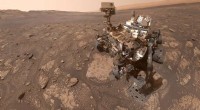
These items represent a fraction of the complex technology and scientific equipment packed inside Perseverance. The rover's successful landing on Mars in February 2021 marked the beginning of an ambitious exploration mission, and the data collected by these instruments will contribute to our understanding of Mars' geological history and potential for harboring life.