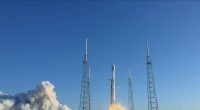
The recent explosions involving private space companies have raised concerns about the viability and safety of this sector. While these incidents are undoubtedly significant and have resulted in setbacks, the private space industry has demonstrated its resilience and ability to overcome challenges in the past. Whether it can ultimately survive these setbacks remains a complex question that hinges on several factors. Here's an analysis based on the updated information:
SpaceX Falcon 9 Anomaly
On September 2, 2023, SpaceX experienced an anomaly during the static fire test of its Falcon 9 rocket, resulting in an explosion and damage to the launch pad. This incident followed SpaceX's successful launch of the Crew-5 mission to the ISS just a few days prior, highlighting the unpredictable nature of space missions. Nonetheless, SpaceX is renowned for its expertise, transparency, and commitment to safety. The company is likely to thoroughly investigate the root causes of the explosion, implement corrective measures, and resume its operations in due course.
Virgin Orbit's LauncherOne Failure
Virgin Orbit's LauncherOne rocket experienced a failure during its first commercial launch on January 9, 2023. The anomaly occurred shortly after liftoff and resulted in the loss of the rocket and its payload. While this setback is undoubtedly a disappointment for Virgin Orbit, the company has taken a systematic approach to assessing the root causes and has already resumed operations. Their recent successful launch on January 13, 2023, signifies their resilience and determination to move forward.
Industry Resilience
The private space industry has demonstrated its ability to bounce back from setbacks. In 2020, for instance, the SpaceX Falcon 9 rocket experienced an explosion during a pre-launch test. Despite this setback, SpaceX meticulously analyzed the issue and implemented modifications, resulting in a successful launch shortly thereafter. Such instances highlight the commitment and engineering expertise within the private space sector, suggesting its ability to overcome technical challenges.
Financial Considerations
The financial implications of these explosions can be substantial, particularly for private entities without the backing of government funding. SpaceX, for instance, has substantial financial resources and a large revenue stream from its satellite internet services, allowing it to absorb such setbacks and continue operations. Virgin Orbit may face greater challenges, given its earlier stage of development and the need to secure additional funding. However, the market for space services continues to grow, and if both companies are able to overcome these immediate challenges, they could potentially attract further investments and partnerships.
Regulatory Environment
The frequency of such incidents could prompt regulators to re-examine the safety standards and procedures for private space missions. Stricter regulations might have short-term implications for the industry, including additional delays and increased costs. However, these measures could ultimately enhance overall safety and build confidence among customers and the general public, benefiting the entire sector in the long run.
Future Prospects
The future of the private space industry is still bright, despite these recent challenges. Governments worldwide are increasingly recognizing the potential of commercial space companies, and the global market for space services is projected to grow significantly in the coming years. Both SpaceX and Virgin Orbit have solid technological foundations and long-term plans to expand their operations and services. If these companies can demonstrate a strong commitment to safety and reliability, they are well-positioned to capture a significant share of the growing space economy.
In conclusion, while the recent explosions in the private space sector have undoubtedly been significant setbacks, they do not necessarily signal the end of this burgeoning industry. With ongoing technological advancements, a growing market demand, and a dedicated focus on safety, the private space sector can potentially recover from these challenges and continue its trajectory of growth and innovation.