Light Pollution
One of the main environmental concerns associated with satellite internet constellations is their impact on night skies and the potential for increased light pollution. As these satellites orbit the Earth, they reflect sunlight back to the ground, creating streaks and patches of light in the sky, particularly during dusk and dawn. This light pollution can interfere with astronomical observations, disrupt the natural cycles of nocturnal animals and insects, and diminish the overall quality of night skies for stargazers and nature enthusiasts.
Space Debris
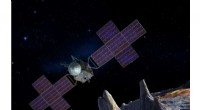
Another concern is the potential for increased space debris resulting from these large-scale satellite deployments. Space debris refers to any object that orbits Earth without a functional purpose, including non-functional satellites, rocket boosters, and other pieces of space debris. Collisions between these objects can create even smaller debris fragments, leading to a chain reaction known as the Kessler Syndrome, where the density of debris in orbit becomes so high that further collisions become inevitable. This could severely limit or even prevent future space activities and pose risks to existing operational satellites.
Mitigation Strategies
To address these concerns, satellite companies are exploring various mitigation strategies. These include:
- Darkening Satellites: Designing satellites with darker surfaces to minimize sunlight reflection.
- Adjusting Orbit Angles: Altering the orientation of satellites to reduce the amount of light reflected towards Earth.
- Reducing Constellations: Limiting the number of satellites deployed in each constellation to minimize overall light pollution and space debris.
- Debris Removal: Developing technologies and missions to actively remove space debris from orbit.
- Collaboration: Collaborating with scientific communities, astronomers, and space agencies to develop best practices and guidelines for responsible satellite deployment and operation.
Regulatory Considerations
Governments and international organizations are also playing a role in regulating satellite deployments. For instance, the International Telecommunication Union (ITU) has established guidelines and regulations for satellite operations, including limits on the number of satellites that can be deployed in a given frequency band and requirements for debris mitigation.
Conclusion
While satellite internet constellations offer great potential for expanding internet access, they also bring environmental concerns related to light pollution and space debris. Through collaboration between satellite companies, governments, scientific communities, and other stakeholders, it is essential to develop and implement effective mitigation strategies to minimize the environmental impact of these satellite deployments and ensure the long-term sustainability of space activities.