However, this process is not sustainable. As stars form, they release energy in the form of ultraviolet light and stellar winds. This energy can heat and disperse the gas and dust clouds that are the fuel for future star formation. Eventually, the galaxy will run out of gas and dust, and star formation will cease.
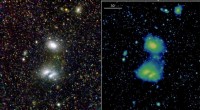
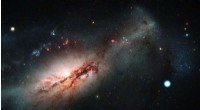
A new study led by researchers from the University of California, Davis, suggests that major collisions between galaxies may help to trigger the end of star formation. The study found that when two galaxies collide, the gas and dust clouds in the galaxies can be compressed, leading to a burst of star formation. However, this burst of star formation is often followed by a period of quiescence, during which time the galaxy stops producing new stars.
The researchers believe that this is because the collision heats and disperses the gas and dust clouds, making it difficult for them to collapse under their own gravity. In addition, the collision can also trigger a powerful outflow of gas from the galaxy, which can further reduce the amount of gas available for star formation.
The study provides new clues about how galaxies stop making stars. It suggests that major collisions between galaxies may play an important role in this process.
The study was published in the journal Nature Astronomy.