Cytoskeletal Rearrangements: Altered gravity affects the organization and dynamics of the cytoskeleton, which plays a crucial role in cellular structure, movement, and signaling. Studies have shown that microgravity conditions can disrupt the normal cytoskeletal organization, leading to changes in cell shape, motility, and adhesion properties.
Gene Expression Changes: Gene expression patterns are significantly altered in response to altered gravity. Transcriptomic analyses have identified changes in the expression of genes involved in various processes such as cell growth, differentiation, metabolism, and stress response. These changes may underlie the cellular adaptations necessary to survive and function in space.
Cellular Signaling Pathways: Gravity changes impact various cellular signaling pathways. For example, studies have found alterations in the activity of pathways involving the mitogen-activated protein kinase (MAPK) pathway, the phosphoinositide 3-kinase (PI3K) pathway, and the calcium signaling pathway. These changes can affect cell proliferation, differentiation, and apoptosis.
Cell-Cell Interactions: Altered gravity affects cell-cell interactions, which are critical for tissue formation and function. Studies have shown that microgravity conditions can alter cell adhesion properties and disrupt cell-cell junctions. These changes may impact tissue organization and collective cell behaviors.
Tissue Engineering and 3D Culture: Altered gravity conditions have implications for tissue engineering and the development of 3D culture systems. Microgravity can influence the growth, differentiation, and organization of cells within engineered tissues, offering a unique environment to study tissue development and function in space.
Mechanobiology and Gravity Sensing: Research on cellular responses to altered gravity has contributed to the understanding of mechanobiology, the study of how physical forces influence cellular processes. Altered gravity serves as a tool to investigate the role of gravity as a physical cue in regulating cell behavior and tissue development.
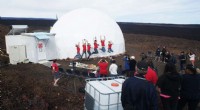
Model Systems and Spaceflight Experiments: Advances in model systems, such as cell culture experiments on sounding rockets, space shuttle missions, and the International Space Station (ISS), have facilitated the study of cellular responses to altered gravity. These platforms allow researchers to investigate the effects of long-term spaceflight, radiation exposure, and other space-related factors on cells.
Overall, research on cellular responses to altered gravity has provided valuable insights into the fundamental mechanisms underlying cellular adaptation to changes in the gravitational environment. These findings contribute to our understanding of human physiology in space, support the development of countermeasures for space travel and exploration, and hold potential applications in tissue engineering and biotechnology.