The planet Arrakis from Frank Herbert's epic science fiction novel Dune has captivated readers with its unique and harsh desert landscape. The climate of Arrakis, with its scorching sun, extreme temperature fluctuations, and sandstorms, provides a fascinating glimpse into the potential complexities and challenges of life on distant planets. As scientists continue their search for habitable exoplanets, the lessons from Arrakis offer insights into the type of environments that might support life beyond our solar system.
*Deserts and Habitability:*
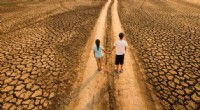
Arrakis is a desert planet with minimal surface water and an atmosphere dominated by carbon dioxide and nitrogen. For most life forms, these conditions would seem inhospitable, yet Dune's ecosystem reveals surprising adaptations. The Fremen, the indigenous people of Arrakis, have evolved to thrive in this arid environment by harnessing the water stored within the desert's deep sand layers and using stillsuits to recycle every drop.
The existence of life on Arrakis suggests that deserts may not be as barren as we might initially assume. The discovery of microbial life in the driest deserts on Earth supports this notion. In fact, certain desert environments, with proper atmospheric conditions, could potentially harbor life-supporting ecosystems.
*Extreme Temperature Fluctuations:*
Arrakis experiences drastic temperature changes, from scorching days to frigid nights. This wide temperature range poses significant challenges for survival. Dune portrays various strategies employed by the Fremen to cope with these extremes, such as building underground dwellings and using insulated suits.
In terms of exoplanet habitability, significant temperature variations could indicate planets with eccentric orbits, where the distance from their star varies greatly throughout their orbit. Such planets might fall within habitable zones periodically, allowing liquid water to exist at certain points in their orbits.
*Atmosphere Composition and Geological Activity:*
Arrakis' atmosphere, primarily composed of carbon dioxide and nitrogen, differs significantly from Earth's oxygen-rich atmosphere. This prompts researchers to consider the broader range of atmospheric compositions that might support life, possibly including planets with methane or ammonia-based atmospheres.
Additionally, Dune emphasizes the geological processes on Arrakis, particularly the formation and movement of sand dunes. Understanding these processes can help identify geological indicators that might suggest habitable conditions on exoplanets, such as the presence of volcanic activity, water cycles, and potential for stable ecosystems.
*Adaptability and Resilience:*
The resilience and adaptability displayed by the Fremen highlight the importance of considering the survival strategies of potential life forms on distant planets. The hunt for exoplanets should focus not only on identifying environments that support water and stable temperatures, but also on exploring unique ecosystems that might have adapted to extreme conditions.
Dune serves as a stark reminder that the universe might be home to a vast array of life forms, not all of which will resemble what we are familiar with on Earth. As scientists continue to expand their search for habitable exoplanets, the lessons learned from Arrakis can inspire a more comprehensive understanding of the conditions that might support life beyond our planet.