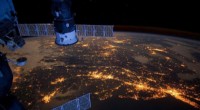
The EarthCARE satellite, which was launched on 16 November, is equipped with a range of sensors that will collect data on the atmosphere, oceans, and land surface.
This data will then be processed using AI techniques to generate maps, models, and other products that will be used to study climate change, weather forecasting, and natural disasters.
One of the key features of EarthCARE is its ability to collect data in all weather conditions, including through clouds. This will allow scientists to get a more complete picture of the Earth's climate system and how it is changing.
The mission will also demonstrate new ways to use AI to process and analyse satellite data. This will help to make Earth observation more efficient and cost-effective, opening up new possibilities for scientific research and practical applications.
EarthCARE is a joint mission between ESA and the Japan Aerospace Exploration Agency (JAXA). It is expected to operate for at least five years.
Here are some examples of how EarthCARE will use AI to improve Earth observation:
* Cloud classification: AI algorithms will be used to identify different types of clouds, such as ice clouds, water droplets, and aerosols. This information will be used to improve weather forecasting and climate models.
* Ocean colour retrieval: AI will be used to retrieve information about the colour of the ocean surface, which can be used to study ocean productivity, pollution, and climate change.
* Vegetation classification: AI algorithms will be used to classify different types of vegetation, such as forests, croplands, and urban areas. This information will be used to study land cover change, deforestation, and agriculture.
* Natural disaster monitoring: AI will be used to identify and monitor natural disasters, such as hurricanes, floods, and earthquakes. This information will be used to help people stay safe and to plan for recovery efforts.
The launch of EarthCARE is a major milestone in the development of AI for Earth observation. This mission will demonstrate the potential of AI to revolutionize the way we monitor and understand our planet.