Thermometers: The primary tool used to measure air temperature is the thermometer. Thermometers are instruments that convert temperature into a numerical value, usually in degrees Celsius (°C) or degrees Fahrenheit (°F). These thermometers are placed at various locations around the world, including weather stations, airports, and research stations, to record local temperatures.
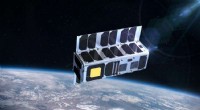
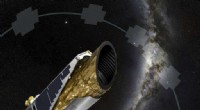
Weather Satellites: Satellites equipped with advanced instruments, such as infrared radiometers, can measure temperatures from space. These satellites provide global coverage and can monitor temperature changes over large areas, including remote regions where ground-based weather stations are not present.
Buoys: Buoys are instruments deployed in oceans and large water bodies to measure and transmit various environmental parameters, including water temperature. Buoys provide temperature data from remote ocean regions, which are important for understanding global climate patterns.
Data Collection and Analysis: Weather stations, satellites, and buoys continuously collect temperature data. This data is transmitted to central databases and analyzed by meteorologists and climate scientists. Extensive quality control measures are applied to ensure the accuracy and reliability of the data.
Record-Keeping: The World Meteorological Organization (WMO) maintains a global database of temperature records. The WMO's Commission for Climatology (CCL) and its expert teams evaluate and validate extreme weather events, including temperature records, following strict scientific criteria.
Peer Review: Scientific studies and reports related to temperature records undergo rigorous peer review by independent experts in the field. This ensures the accuracy, validity, and reproducibility of the findings before they are officially recognized.
By combining data from various sources, scientists can determine the warmest day recorded on Earth. This involves identifying and analyzing extreme temperature events, comparing them to historical records, and considering factors such as quality control, measurement techniques, and geographical coverage.