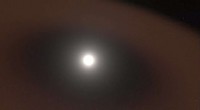
12P/Pons-Brooks has a orbital period of about 70.6 years, which means it takes about 70.6 years to orbit the Sun. Its last perihelion (closest approach to the Sun) occurred on July 14, 2015. The comet is currently located in the outer reaches of the solar System and is not visible to the naked eye.
The next perihelion of 12P/Pons-Brooks is expected to occur in the year 2086. At that time, the comet may become bright enough to be visible to the naked eye and could potentially put on a spectacular display. However, it is difficult to predict exactly how bright the comet will be, as cometary brightness can be unpredictable.
To see the Devil Comet in 2086, you will need:
- Clear Skies: Choose a location with clear, dark skies away from city lights and light pollution.
- Binoculars or Telescope: While the comet may be visible to the naked eye if it is bright enough, using binoculars or a small telescope will provide a better view of the comet's tail and any features or details.
- Patience: Comets can change their brightness and appearance over time. You may need to observe the comet on multiple nights to see it at its best.