* Amalthea is the third-closest moon to Jupiter and is about the size of a small town.
* The new photos were taken by the Juno spacecraft, which has been orbiting Jupiter since 2016.
* The photos show Amalthea's surface in unprecedented detail and reveal a variety of features, including craters, ridges, and grooves.
The Juno spacecraft has sent back new photos of Jupiter's tiny moon Amalthea, revealing a surface covered in craters, ridges, and grooves. The photos are the most detailed images ever taken of Amalthea and provide scientists with a new look at this mysterious moon.
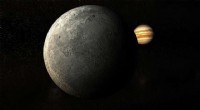
Amalthea is the third-closest moon to Jupiter and is about the size of a small town. It orbits Jupiter at a distance of about 181,000 kilometers (112,000 miles) and takes about 12 hours to complete one orbit. Amalthea is thought to be composed of a mixture of rock and ice and has a very low density.
The new photos were taken by Juno's Stellar Reference Unit (SRU) camera, which is used to track the spacecraft's position in space. The SRU camera took the photos on February 11, 2020, when Juno was about 109,000 kilometers (68,000 miles) from Amalthea.
The photos show Amalthea's surface in unprecedented detail and reveal a variety of features, including craters, ridges, and grooves. The craters are likely the result of impacts by asteroids and comets, while the ridges and grooves may have been formed by tectonic activity or tidal forces from Jupiter.
One of the most striking features in the photos is a large crater that is about 10 kilometers (6 miles) wide. The crater is located on Amalthea's southern hemisphere and is surrounded by a series of smaller craters.
Amalthea is a fascinating moon that is still largely unexplored. The new photos from Juno provide scientists with a new look at Amalthea and help us to better understand this mysterious moon.