Here's how you can watch the DART impact:
Live coverage from NASA: NASA will provide live coverage of the DART impact on NASA TV and the agency's website. Coverage will begin at 6:00 p.m. EDT and will include commentary from NASA scientists and engineers, as well as live images from ground-based telescopes and LICIACube.
Webcasts from other organizations: Several other organizations, including the Planetary Society and the Virtual Telescope Project, will also be providing live webcasts of the DART impact. These webcasts will offer different perspectives and commentary on the event.
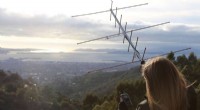
Telescope observations: If you have access to a telescope, you may be able to observe the DART impact yourself. The impact will be visible from anywhere on Earth, but it will be most easily seen from locations in North America and South America. You will need a telescope with a minimum aperture of 8 inches and a magnification of at least 100x to see the impact.
The DART impact is a major milestone in planetary defense. By intentionally crashing a spacecraft into an asteroid, NASA is demonstrating that it is possible to deflect an asteroid on a collision course with Earth. This technology could one day be used to protect our planet from a devastating impact.
Here are some additional details about the DART mission:
-The DART spacecraft is about the size of a small car. It is equipped with a single solar panel and a variety of sensors, including a visible light imager, an infrared camera, and a laser altimeter.
-The DART spacecraft will impact Dimorphos at a speed of approximately 15,000 miles per hour. The impact will create a crater about 10 meters in diameter and will eject debris into space.
-The LICIACube nanosatellite will be deployed from DART about 10 days before impact. LICIACube will observe the impact from a distance of about 55 miles and will return images and data to Earth.
-The DART impact is expected to change Dimorphos' orbit around Didymos by a small amount. This change will be measured by ground-based telescopes and spacecraft observations in the months and years following the impact.
The DART mission is a major step forward in planetary defense. By demonstrating that it is possible to deflect an asteroid on a collision course with Earth, NASA is helping to protect our planet from a devastating impact.