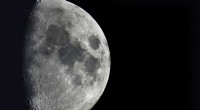
1. Lunar Mantle Material: The far side of the Moon, also known as the lunar farside or the lunar backside, is relatively unexplored compared to the near side. The samples collected by Chang'e 6 could shed light on the material composition of the lunar mantle, which lies beneath the Moon's crust. Studying the mantle material can provide information about the Moon's internal structure and evolution.
2. Rare Elements and Minerals: The Chang'e 6 samples have the potential to reveal the presence of rare elements and minerals that may not be found on the near side of the Moon. These elements and minerals could provide insights into the Moon's formation and differentiation processes.
3. Water Content: Water content is a crucial factor in understanding the Moon's history and potential habitability. The Chang'e 6 samples can be analyzed to determine the amount of water present on the far side of the Moon, which could provide clues about the availability of water resources for future human missions.
4. Impact History: The Moon has experienced numerous impacts throughout its history. The Chang'e 6 samples could reveal evidence of past impacts, including the chemical and isotopic signatures associated with impact events. Studying these samples can enhance our understanding of the Moon's bombardment history and its effects on the lunar surface.
5. Comparison with Near Side Samples: Comparing the Chang'e 6 samples with samples collected from the near side of the Moon can provide insights into the differences in composition and characteristics between the two regions. This comparison could help in understanding the geological diversity of the Moon.
6. Age Determination: Dating the Chang'e 6 samples can provide valuable information about the age of the lunar farside and compare it with the ages of samples from the near side. This can contribute to refining the timeline of lunar geological events.
7. Future Exploration Strategies: Analyzing the Chang'e 6 samples can inform future lunar exploration strategies by identifying potential resources and hazards on the far side of the Moon. This knowledge can assist in planning future missions and selecting landing sites for scientific investigations and potential resource utilization.
Overall, the Chang'e 6 samples have the potential to significantly enhance our understanding of the lunar farside, provide insights into the Moon's geological processes, and contribute to advancing our knowledge of lunar exploration and science.