Introduction:
The shift to Daylight Saving Time (DST) can disrupt sleep patters, leading to an imbalance between the body's natural circadian rhythm and the adjusted sleep schedule. This disruption in sleep can extend its effects to the financial market, influencing investors' reactions, decision-making, and overall performance.
Market Impact of Daylight Saving Time:
1. Cognitive Impairment: Sleep deprivation or a disrupted sleep schedule can impair cognitive functions such as attention, processing information, decision-making, and risk assessment, which are essential for navigating the dynamic stock market.
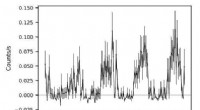
2. Increased Volatility: DST-related sleep disruption has been associated with heightened volatility in stock prices. Studies indicate that the period surrounding the switch to DST is characterized by erratic market movements, possibly due to the temporary decline in market participants' cognitive skills.
3. Trading Volume Changes: The adjustment period to DST can lead to changes in trading volumes. Some studies have shown a decline in trading activity on Mondays following the shift to DST, reflecting continued sleep deprivation and reduced participation of investors during the first few days of the new schedule.
4. Investor Behavioral Shifts: The sleep deprivation resulting from DST can impact investors' emotional state, making them more susceptible to emotional biases. Research suggests that sleep-deprived individuals tend to exhibit more risk-averse behavior, resulting in reduced trading and risk-taking.
5. Retail versus Institutional Investors: Sleep disruption may affect retail investors to a greater extent than institutional investors. Retail investors, who often rely on personal decision-making, may experience more difficulty adjusting to sleep schedules changes, whereas institution investors may have systems and strategies to mitigate disruption.
Practical Strategies:
1. Maintain Regular Sleep: Ensure consistent and adequate sleep during DST transitions to minimize the impact of sleep disruption.
2. Plan Trading Decisions: Plan your trading decisions in advance and avoid making significant trades during the first few days of DST adjustments when the market may be more volatile.
3. Avoid Impulse Decisions: Be mindful of impulsive trading decisions that may result from sleep deprivation. Take time to assess trades rationally before executing them.
4. Educate Yourself: Understand the potential effects of DST on sleep patterns and market behavior to be mentally prepared for the transition.
5. Seek Professional Advice: If you find your sleep disruption impacting your investment decisions, consider seeking guidance from a financial professional who can help you navigate these challenges.
In conclusion, the shift to Daylight Saving Time can introduce sleep disruption, which in turn influences investors' reactions in the stock market. Understanding these effects and implementing practical strategies can help investors make more informed decisions and adapt effectively to sleep schedule adjustments.