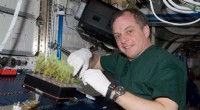
1. Microgravity: The absence of gravity in space leads to several physiological changes, including fluid shifts, bone loss, and muscle atrophy. These effects can contribute to an overall feeling of weakness and frailty, resembling accelerated aging.
2. Radiation Exposure: Space is filled with high levels of radiation, including both solar radiation and cosmic rays. Astronauts are exposed to significantly higher levels of radiation than people on Earth, increasing their risk of developing radiation-related health problems, including cancer.
3. Stress: Living and working in a confined and isolated environment, performing spacewalks, and managing life-threatening situations can cause chronic stress for astronauts. Elevated stress levels can contribute to premature aging by affecting the cardiovascular system, immune function, and mental well-being.
4. Circadian Rhythm Disruption: The regular day-night cycle that regulates our sleep-wake patterns is disrupted in space due to the lack of a clear environmental cue. This disruption can lead to sleep disturbances, fatigue, and a reduced capacity for physical and cognitive performance, factors associated with accelerated aging.
5. Nutritional Deficiencies: Astronauts must rely on carefully controlled diets due to the limited resources and unique challenges of space travel. This can lead to nutritional deficiencies, particularly in vitamins and minerals, which play crucial roles in maintaining cellular health and function.
6. Psychological Impact: Being away from Earth, dealing with isolation, confinement, and separation from loved ones, as well as the constant psychological pressure of space missions, can contribute to accelerated mental and emotional aging.
It's important to note that while these factors can contribute to accelerated aging in space, they are mostly reversible upon return to Earth. After an adjustment period, most astronauts regain or return to their pre-mission health status. Nevertheless, long-duration missions, such as future Mars expeditions, will require careful monitoring, countermeasures, and comprehensive health management to mitigate the effects of space travel on human health and aging.