The Atmosphere
The atmosphere is the layer of gases that surrounds the Earth. It is made up of 78% nitrogen, 21% oxygen, and 1% other gases. The atmosphere is divided into five layers, from the ground up:
* The troposphere is the lowest layer of the atmosphere, where we live and breathe. It is about 10 kilometers thick.
* The stratosphere is the layer of the atmosphere that contains the ozone layer. It is about 50 kilometers thick.
* The mesosphere is the layer of the atmosphere that is coldest. It is about 85 kilometers thick.
* The thermosphere is the layer of the atmosphere that is hottest. It is about 600 kilometers thick.
* The exosphere is the outermost layer of the atmosphere. It is about 10,000 kilometers thick.
Weather
Weather is the state of the atmosphere at a particular time and place. It is determined by a number of factors, including temperature, humidity, precipitation, wind, and air pressure.
* Temperature is the measure of how hot or cold the air is. It is determined by the amount of solar radiation that reaches the Earth's surface.
* Humidity is the measure of how much water vapor is in the air. It is determined by the temperature of the air and the amount of water vapor that is available.
* Precipitation is the water that falls from the sky in the form of rain, snow, sleet, or hail. It is determined by the temperature of the air, the humidity, and the amount of water vapor that is available.
* Wind is the movement of air from one place to another. It is determined by the difference in air pressure between two areas.
* Air pressure is the weight of the air above a given point. It is determined by the temperature of the air, the humidity, and the elevation.
Climate
Climate is the average weather conditions in a particular area over a long period of time. It is determined by a number of factors, including latitude, altitude, distance from the ocean, and prevailing wind patterns.
* Latitude is the distance of a place from the equator. It affects the amount of solar radiation that a place receives, which in turn affects the temperature.
* Altitude is the height of a place above sea level. It affects the temperature and air pressure.
* Distance from the ocean affects the amount of moisture in the air.
* Prevailing wind patterns affect the temperature and precipitation.
Meteorology in Action
Meteorologists use their knowledge of the atmosphere, weather, and climate to provide a variety of services, including:
* Weather forecasts: Meteorologists use computer models to predict the weather for a specific time and place.
* Climate forecasts: Meteorologists use computer models to predict the climate for a specific region over a long period of time.
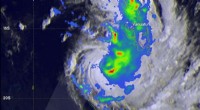
* Severe weather warnings: Meteorologists issue severe weather warnings when there is a risk of a tornado, hurricane, or other severe weather event.
* Drought forecasts: Meteorologists issue drought forecasts when there is a risk of a drought.
* Air quality forecasts: Meteorologists issue air quality forecasts when there is a risk of air pollution.
Meteorology is a vital science that helps us to understand the weather and climate and to protect ourselves from severe weather events.