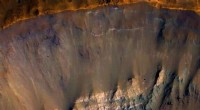
* Amalthea is the third-closest moon to Jupiter, and the largest moon in its inner satellite group.
* It is a small moon, with a radius of only 113 km (70 miles).
* Amalthea is irregularly shaped, and its surface is covered with craters, ridges, and valleys.
* The new photos were taken by the Juno spacecraft, which is currently orbiting Jupiter.
* The photos show Amalthea in greater detail than ever before, and they reveal a moon that is even more complex and fascinating than scientists had thought.
Amalthea is a fascinating moon, and the new photos from the Juno spacecraft are providing scientists with a wealth of new information about it. This information is helping us to better understand the formation and evolution of the Jupiter system, and it is also giving us a glimpse into the diversity of the moons that orbit the giant planets.
Here are some of the most interesting things that the new photos have revealed about Amalthea:
* Amalthea is even more irregularly shaped than scientists had thought. The moon's shape is best described as "lumpy," and it has a number of large craters and valleys that give it a very rough appearance.
* Amalthea's surface is covered with a layer of dust. This dust is thought to have been created by the impacts of micrometeoroids, and it is likely responsible for the moon's dark color.
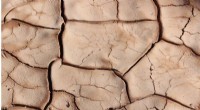
* Amalthea has a number of large cracks and fissures in its surface. These cracks are thought to have been caused by tidal forces from Jupiter, and they may indicate that the moon is slowly being torn apart.
The new photos from the Juno spacecraft are providing scientists with a wealth of new information about Amalthea. This information is helping us to better understand the formation and evolution of the Jupiter system, and it is also giving us a glimpse into the diversity of the moons that orbit the giant planets.