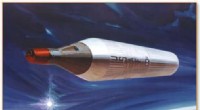
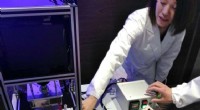
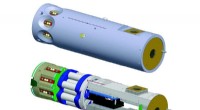
The Tornado Intercept Vehicle (TIV) is a special kind of drone designed specifically for intercepting and taking down tornadoes. It's a remote-controlled vehicle that can withstand powerful winds, giving scientists a safe and effective tool to study these storms.
Working Mechanism
1. Deployment: The TIV is released into the path of an oncoming tornado. It's equipped with advanced navigation systems and sensors that help it maintain a safe distance while keeping track of the storm's movements.
2. Data Collection: As the TIV safely navigates the storm, it collects a wealth of information. Sensors onboard the drone measure wind speed, humidity, temperature, and pressure, providing valuable insights into the inner workings of tornadoes.
3. Airborne Intercept: Once the TIV gets within a safe range of the tornado's core, it deploys probes or small projectiles. These probes measure atmospheric pressure within the storm, aiding scientists in understanding the structure and behavior of tornadoes.
4. Sampling: The TIV may also release canisters that contain instruments for collecting samples of air, dust, and debris from the tornado. These samples help researchers study the composition of tornadoes and how they interact with their surroundings.
Remote Control
Pilots on the ground use a remote control system to operate the TIV. They can adjust its flight path, manage the distance from the tornado, and deploy the probes or instruments.
Safety Measures
The TIV is designed with safety in mind. Its durable construction and advanced sensors allow it to withstand the intense forces of a tornado. It also has a self-destruct mechanism as a final safety precaution in case the TIV gets too close to the storm's core or experiences any malfunction.
Scientific Value
The Tornado Intercept Vehicle greatly contributes to our understanding of these destructive natural events. By venturing into tornadoes, the TIV provides valuable data that aids in forecasting, prediction, and the development of early warning systems. This research helps communities better prepare for and respond to tornadoes, reducing their potential impact on lives and property.